PART CONDITION
Current molded-part geometry and surface state.

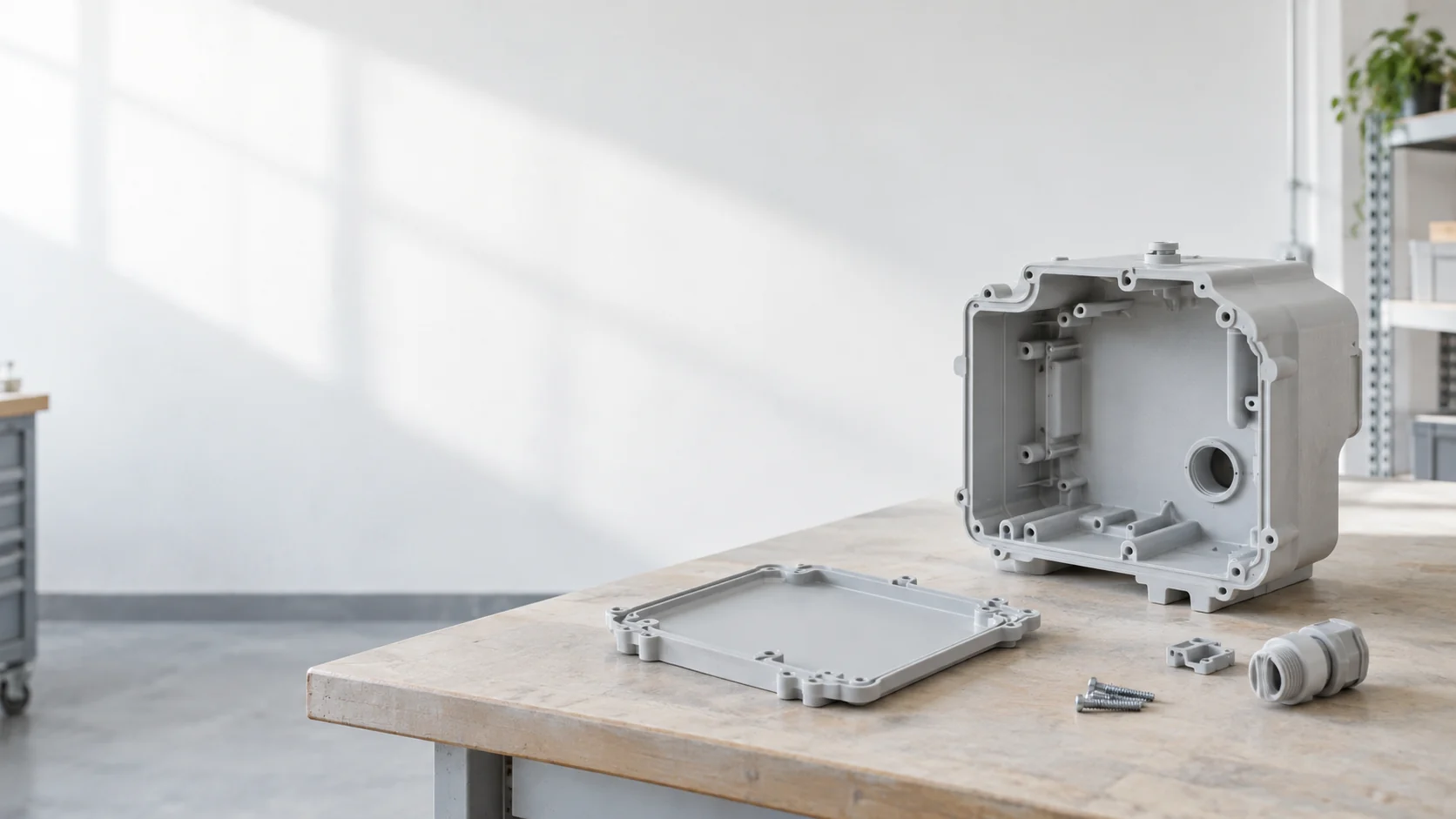
Secondary Process & Assembly
Painting, printing, laser marking, heat staking, ultrasonic joining and component assembly follow the required finish and interfaces. UV processing is outsourced.
CAPABILITY ROLE
Scope is component-level work, not complete-product, electronic-system or battery assembly.
Surface condition, interfaces, joining, assembly and handling all influence the final physical state of the component.
ENGINEERING INPUTS
The inputs establish the surface, interface, assembly and handling conditions that matter after molding.
Current molded-part geometry and surface state.
Visible finish, texture, marking or appearance expectations.
Component relationship, joining direction and assembly expectation.
Clips, bosses, seals, fits or functional contact areas.
Surfaces where handling and appearance require additional control.
Packaging, protection or downstream handling expectations.
Secondary Process & Assembly project data
CORE WORK
These work areas combine according to the part and project requirement; they do not represent one fixed process sequence.
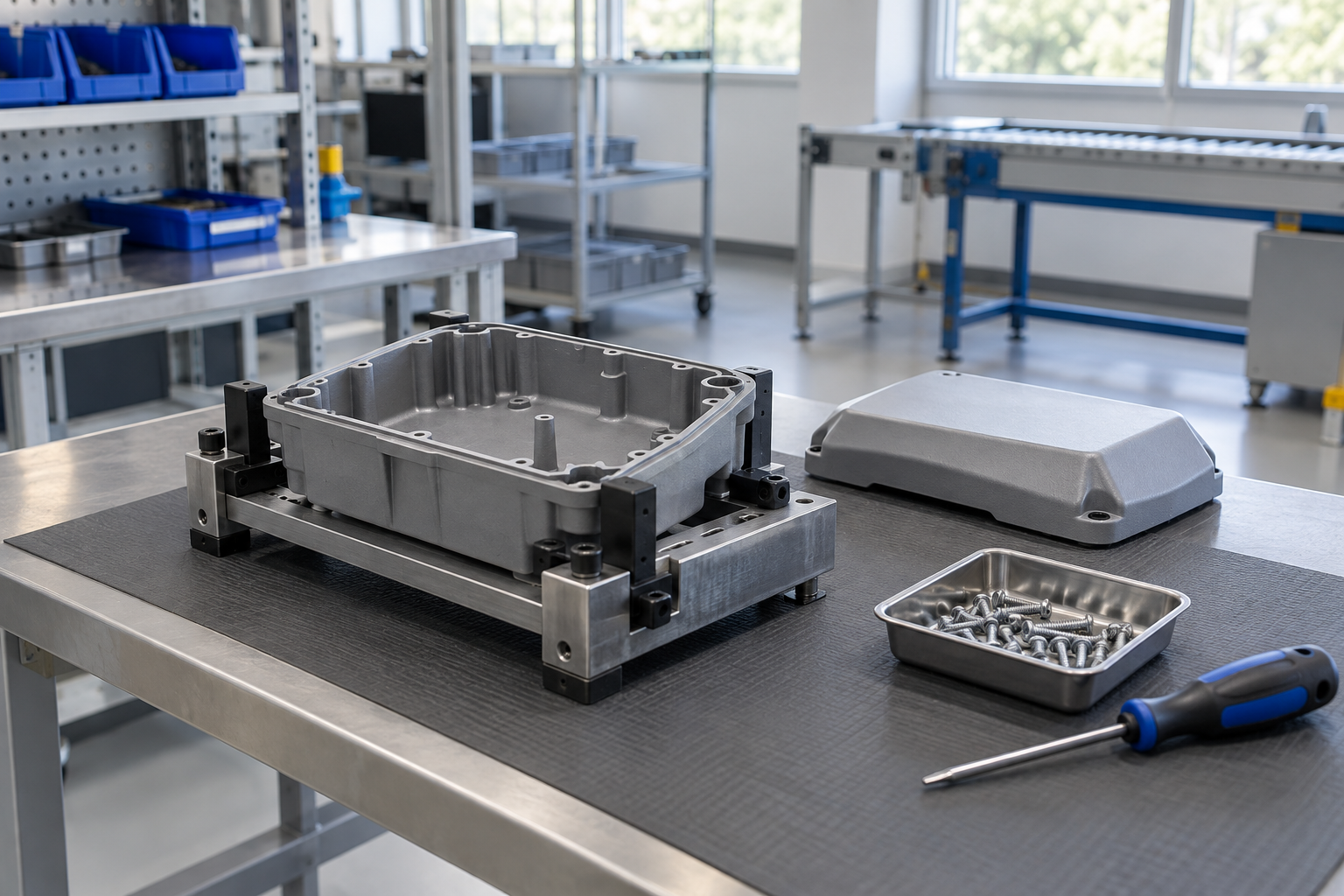
The work environment provides context for discussing the condition carried through downstream operations.
Understand which downstream operations apply to the current part condition.
Carry the required visible-part condition through the applicable finishing context.
Bring components together according to the defined interface and joining requirement.
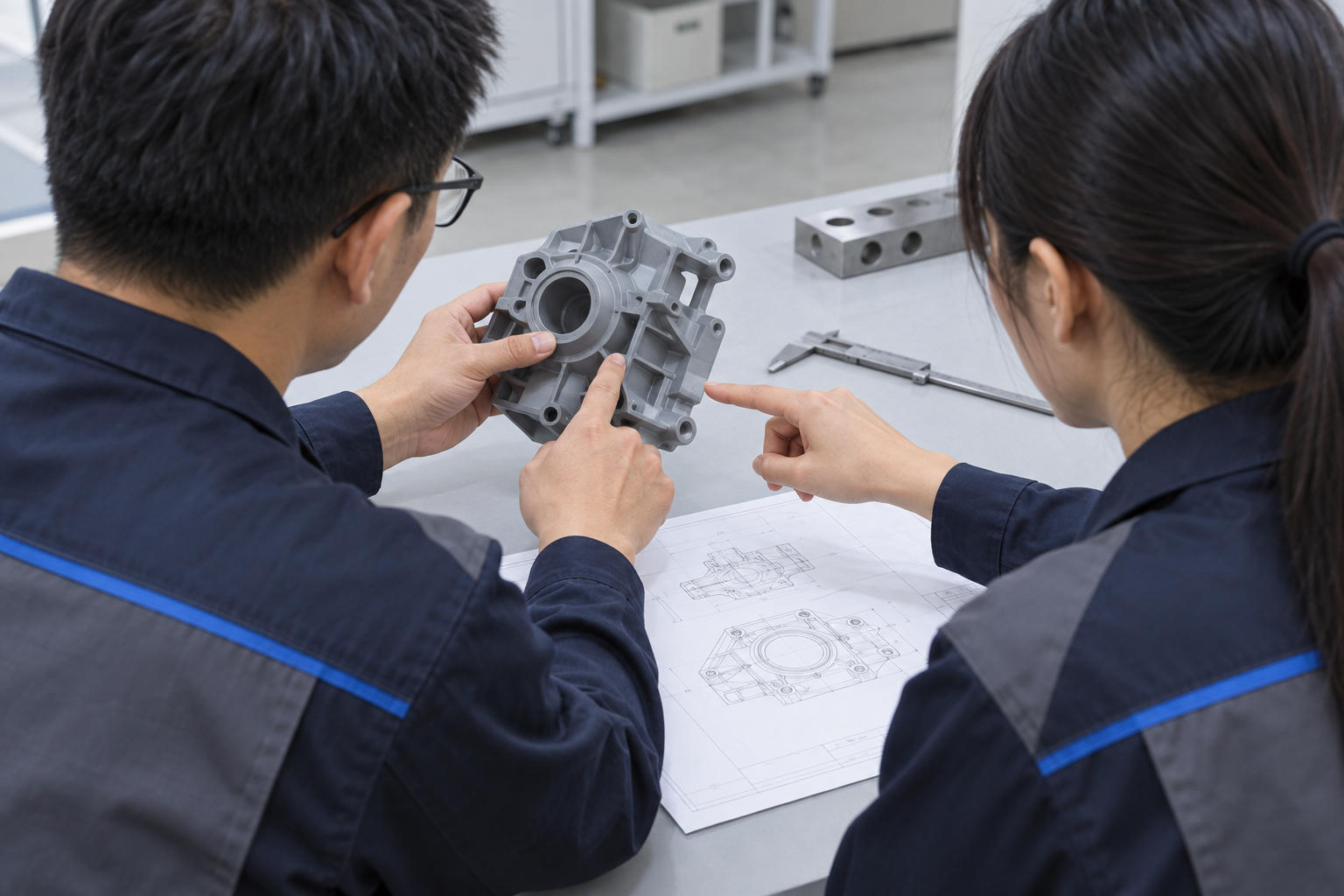
Illustrative discussion of mounting points and interfaces; no material or completed-project claim is made.
Build components into the required mechanical relationship.
Review appearance, interfaces and assembly condition together.
Protect the approved finished state through handling and release.
PROCESS ILLUSTRATIONS
Illustrative scenes of component assembly, surface condition and final review.

An assembly work context represents the environment in which component relationships are established.
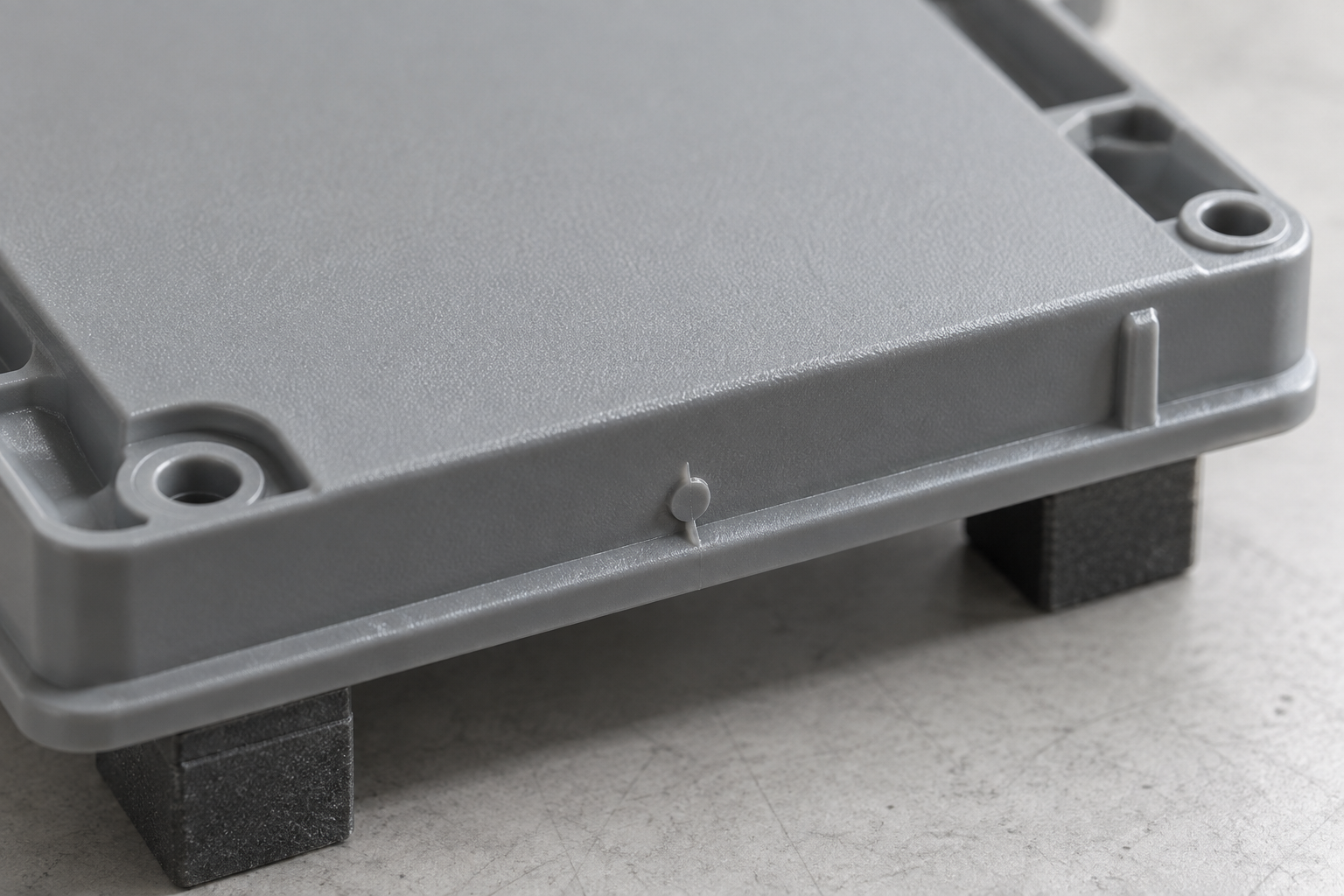
A close part view represents the evidence needed to discuss visible surface condition.
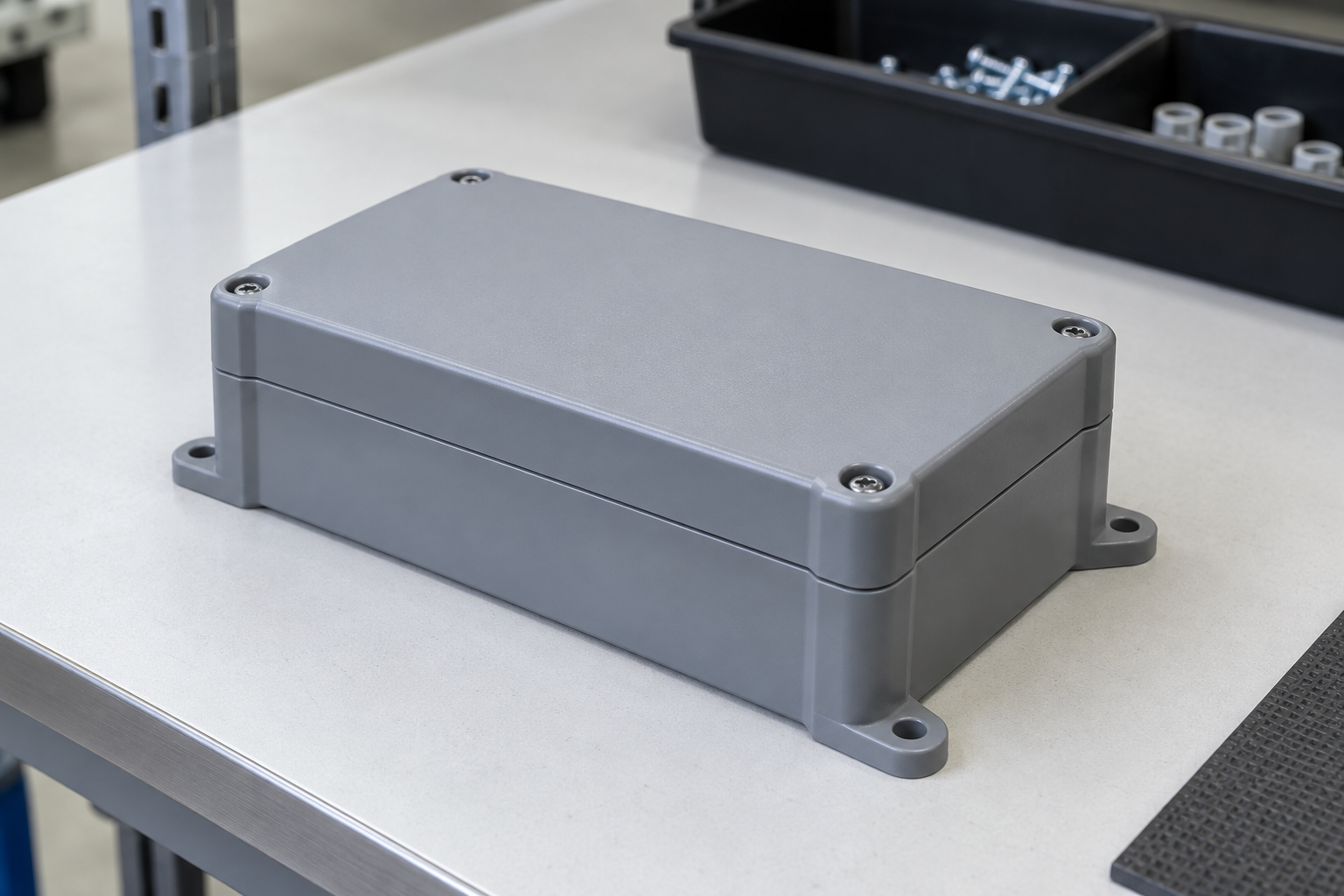
The assembled view helps review the final relationship between enclosure parts.
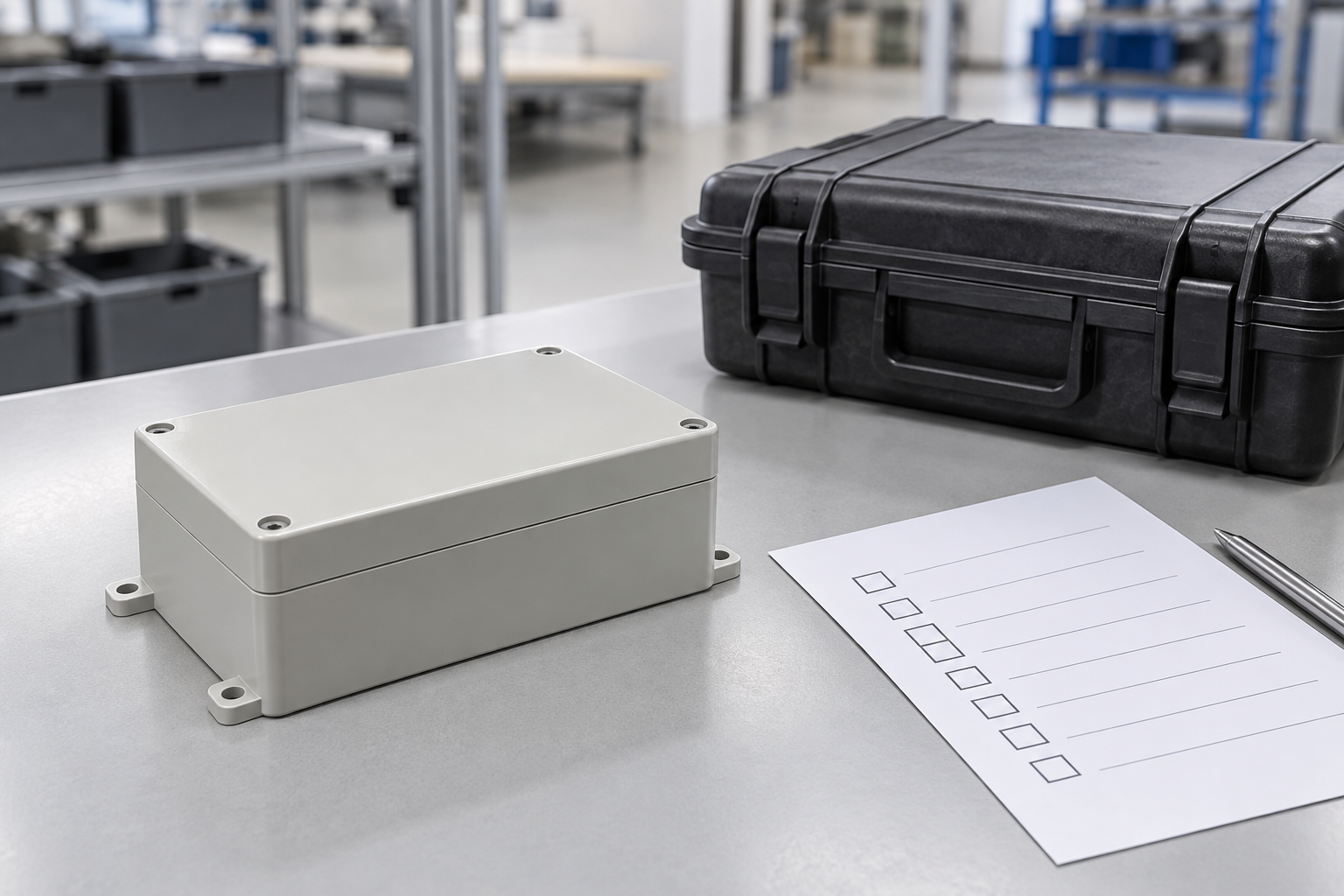
Measurement and reference material represent the final review needed before release decisions.
CONTROL & QUALITY
Agree appearance samples, mating dimensions, joint checks and handling requirements for the finished component.
Is the visible surface consistent with the applicable finish requirement?
Are critical joining and assembly interfaces preserved?
Are components brought together in the intended physical relationship?
Are visible areas protected from handling or assembly-related defects?
Is the finished component ready for the next release or delivery decision?
START A FINISHED-PART REVIEW
Send the part drawings, finish specification, supplied-component list and assembly requirements to confirm the operations and acceptance criteria.