TOOLING CONDITION
Current mold condition and relevant trial status.

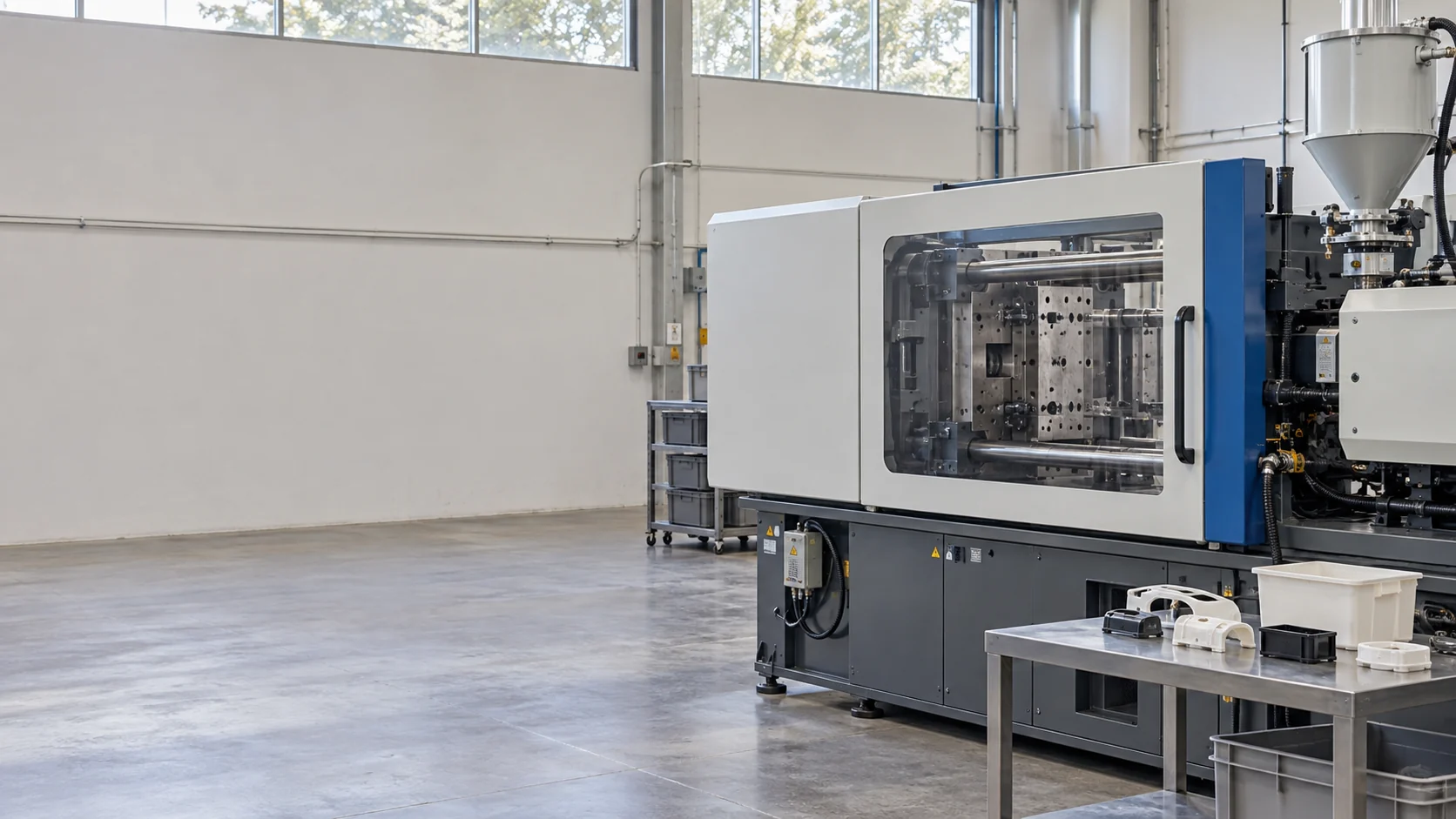
Injection Molding
JTO provides injection molding and two-shot molding for plastic components. Agree the resin, tool condition, sample criteria and production requirements before setup.
CAPABILITY ROLE
Tooling enters a real manufacturing context through molding.
Material direction, part requirements, tooling condition and production expectations influence how the molding condition is established and reviewed.
ENGINEERING INPUTS
Share the drawing revision, resin grade, mold condition, quantity and any finishing or handling requirements.
Current mold condition and relevant trial status.
Geometry, critical dimensions and functional interfaces.
Known resin family, appearance direction or application requirement.
Visible surfaces, texture, colour or cosmetic expectations.
Expected volume direction and manufacturing context.
Assembly, finishing, packaging or handling requirements that affect the molded part.
Injection Molding project data
CORE WORK
Agree the operations and acceptance criteria required for your part.
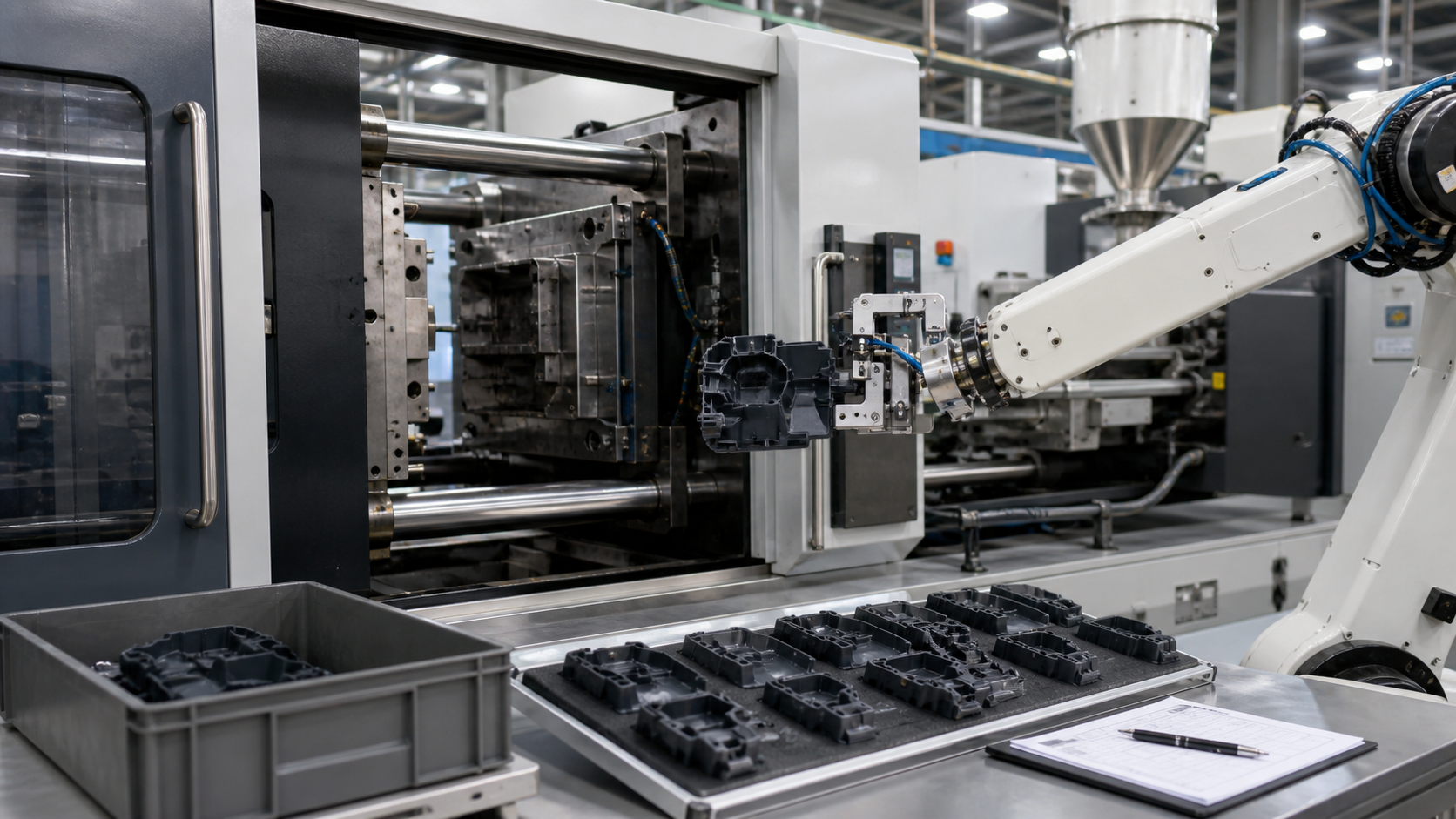
The molding environment provides a visual reference for discussing tool, machine and part condition together.
Confirm the current tooling and part-definition context before molding activity.
Establish the material and machine context needed for the current part.
Produce samples to understand how the tool and process behave together.
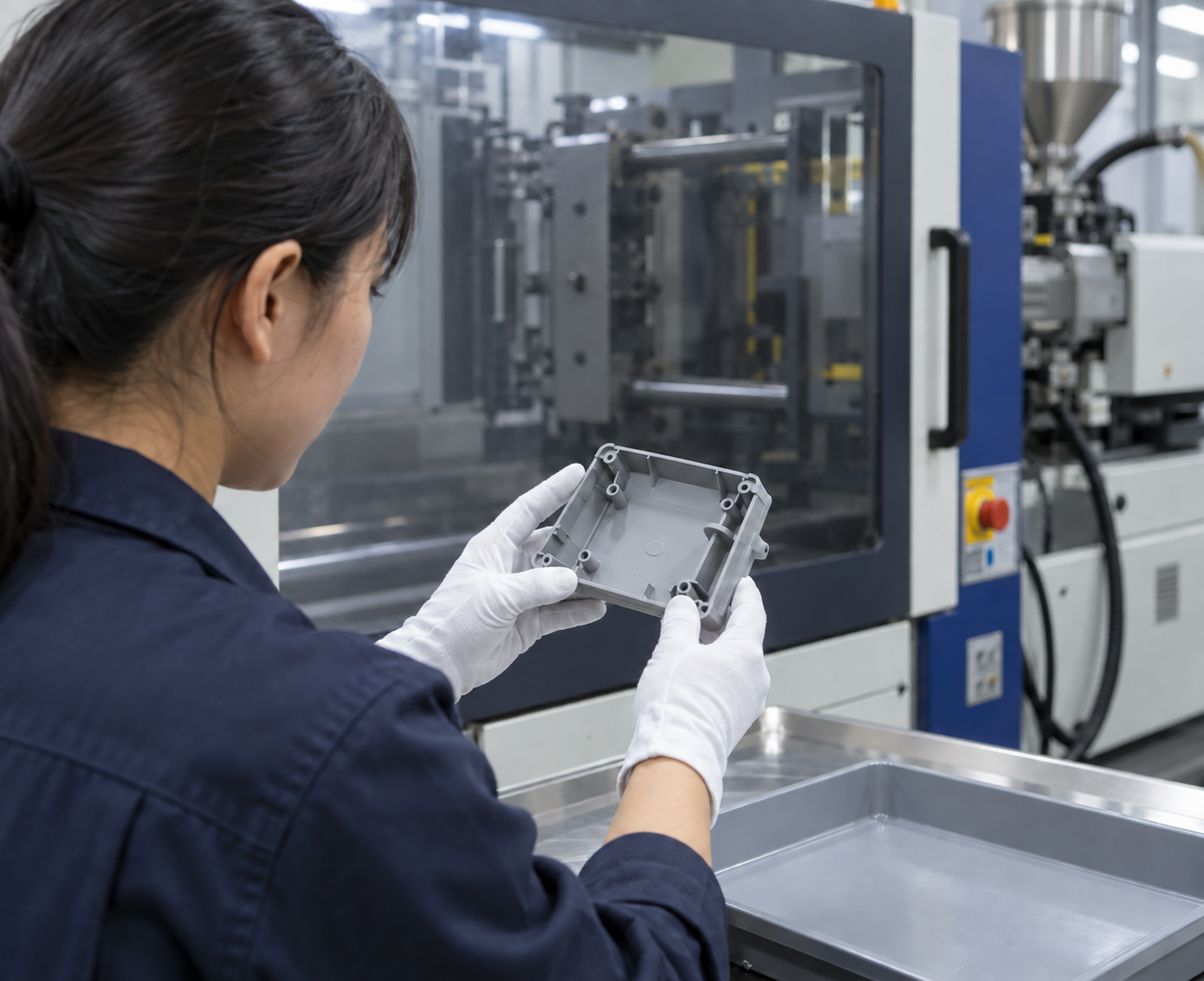
A closer tool-and-part view supports discussion of how process decisions affect the molded result.
Adjust relevant molding conditions where sample findings require refinement.
Review molded appearance, geometry and critical interfaces against the current requirement.
Keep the approved manufacturing condition visible as production moves forward.
PROCESS ILLUSTRATIONS
A molding environment and an illustrative tool-to-machine interface.
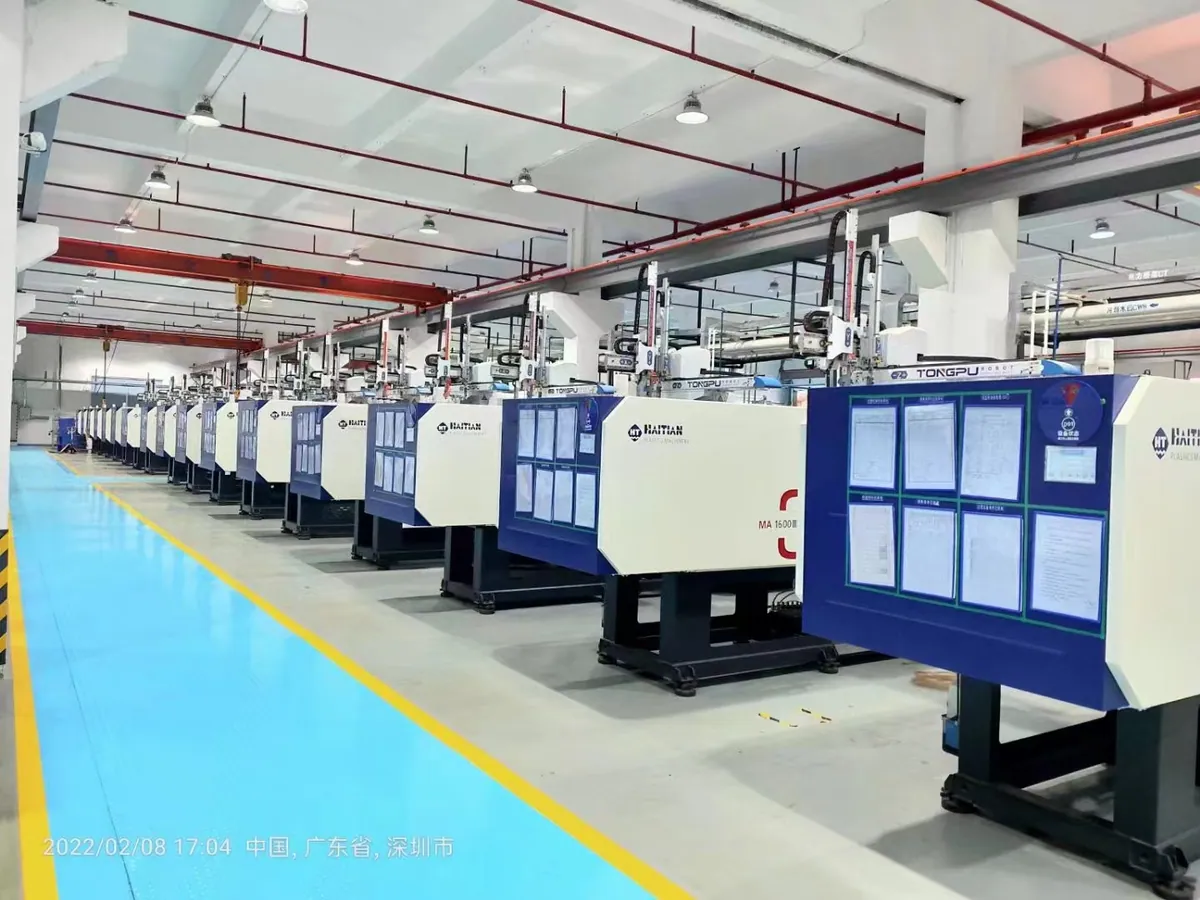
A wider production view locates molding activity in its physical manufacturing context.
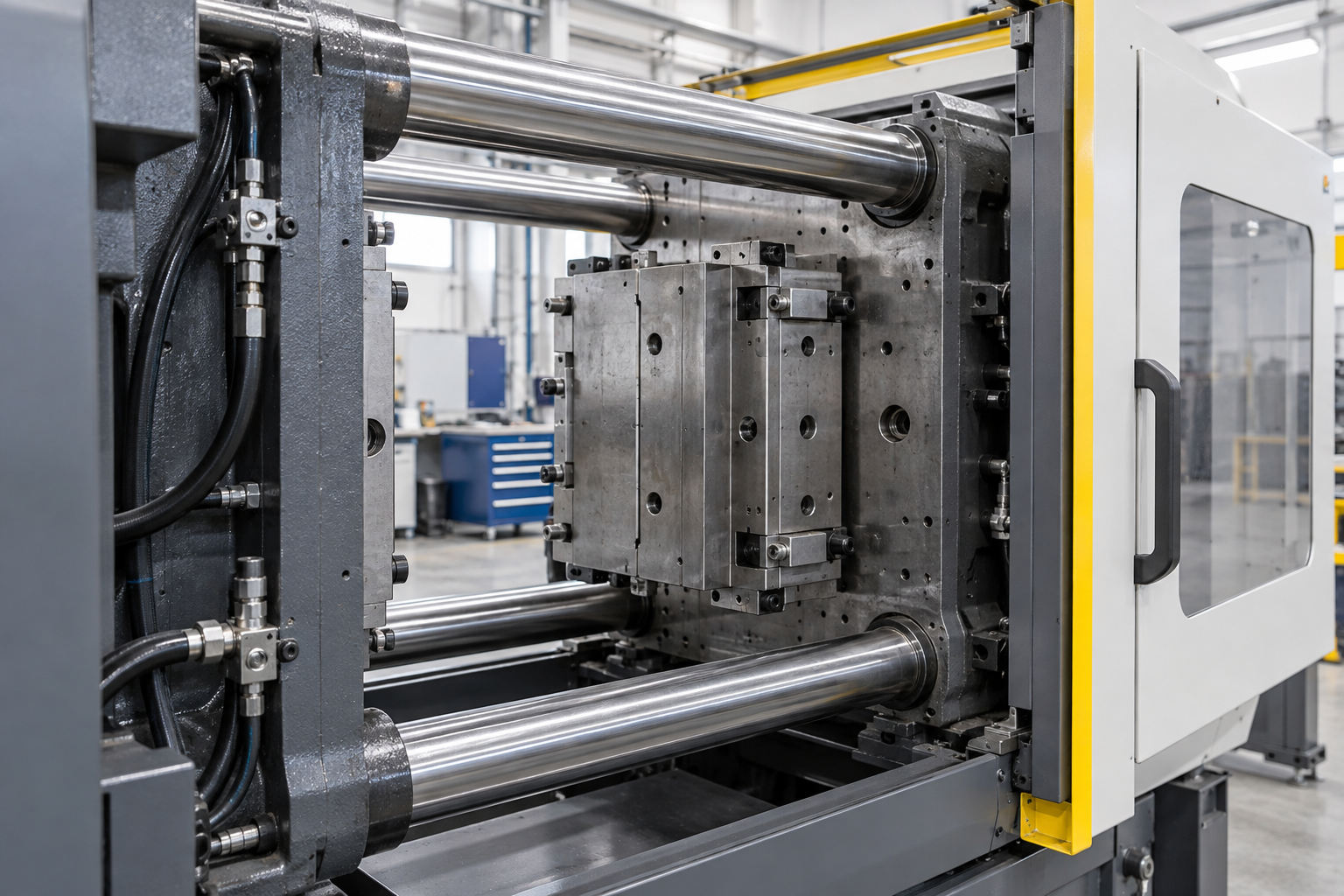
The mold setup view connects tooling condition with the machine context used for review.
CONTROL & QUALITY
Use the agreed resin, process settings and sample criteria to assess part appearance and critical features.
Does the current material direction match the project requirement?
Is the current molding condition aligned with the approved manufacturing context?
Does the molded surface meet the relevant visible-part expectation?
Are defined critical features being reviewed against the current requirement?
Does the current part condition remain consistent enough for the next manufacturing decision?
START A MOLDING REVIEW
Send the part drawings, mold condition, resin requirements and quantity. Confirm trials and inspection criteria before agreeing production.