ENGINEERING UNDERSTANDING
Manufacturing direction begins with a clear reading of product intent, technical inputs and the decisions still to be resolved.

About
JTO provides injection tooling, molded components and component finishing, with engineering coordination from design inputs to sample decisions.
COMPANY INTRODUCTION
Established in 2014 and based in Shenzhen, China, JTO works in injection tooling, molding, component finishing and assembly.
Engineering coordination covers feasibility, drawings, changes, trial milestones and sample acceptance.
Precision tooling, injection molding and manufacturing support based in Shenzhen.
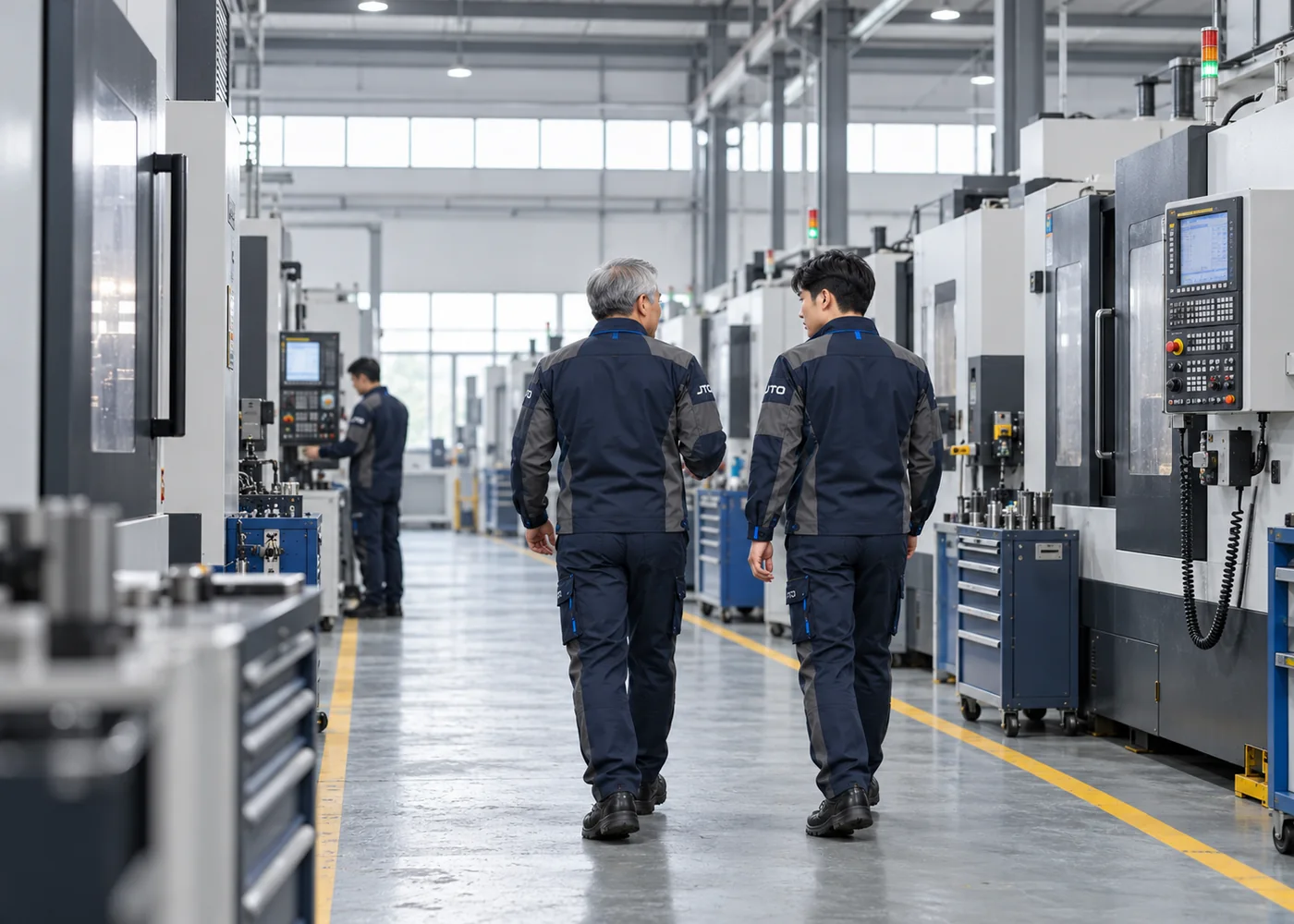
Drawings, measurement references and physical part evidence support a shared understanding of the work.
Illustrative engineering scene.
MANUFACTURING PHILOSOPHY
Engineering review, manufacturing execution and verification stay connected throughout the project.
Manufacturing direction begins with a clear reading of product intent, technical inputs and the decisions still to be resolved.
Engineering, tooling, production and quality remain connected around the same project context rather than isolated handoffs.
Review points, controlled changes and verification evidence help keep outcomes connected to agreed requirements.
KEY FACTS
JTO connects its Shenzhen manufacturing base with an engineering-led operating approach for global project teams.
Company Facts
FACILITY & MANUFACTURING
Facility access, outbound logistics, tooling and molding form distinct parts of a connected manufacturing setting.
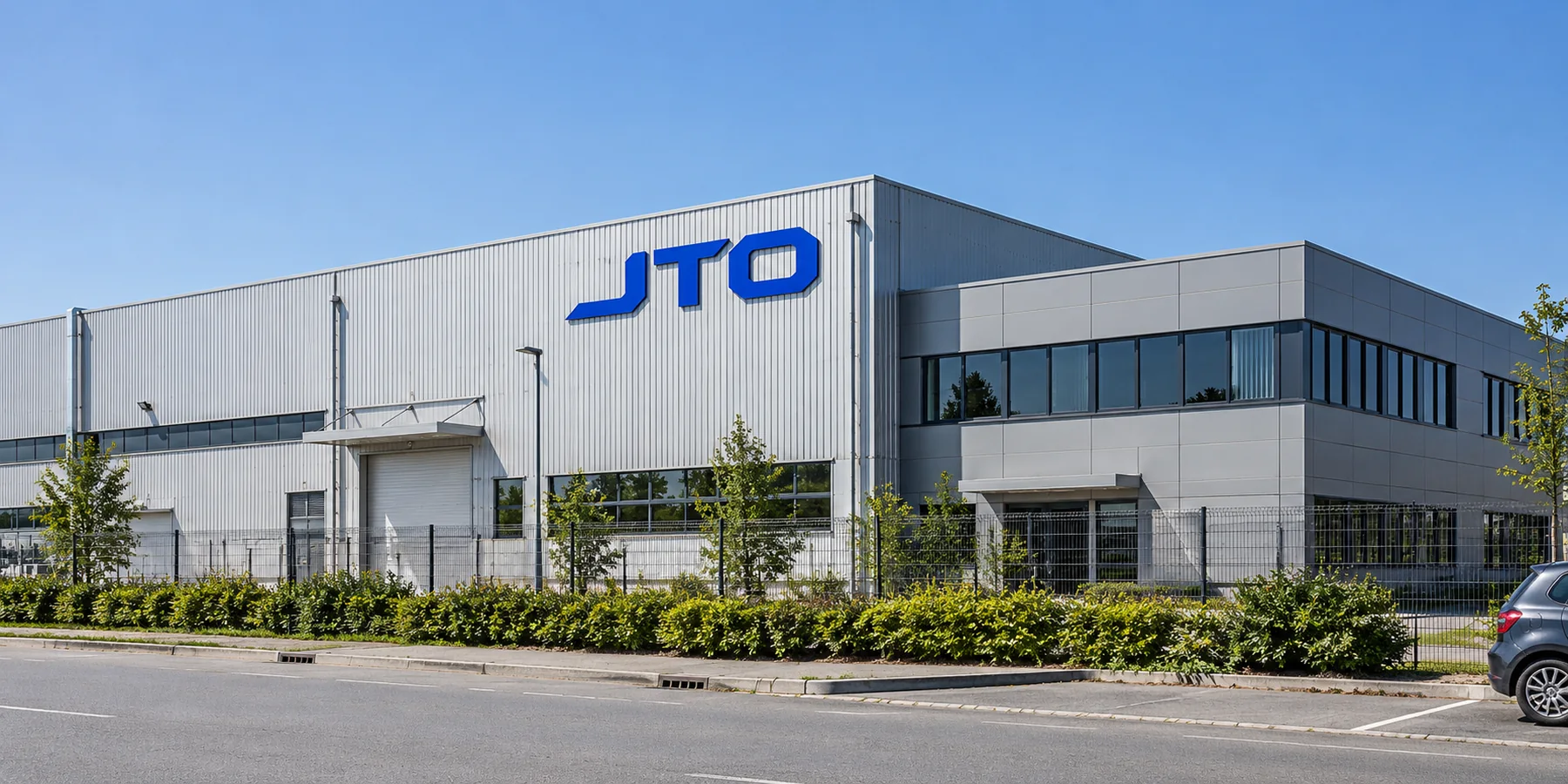
Metal-clad building with a glazed entrance and freestanding identity sign.
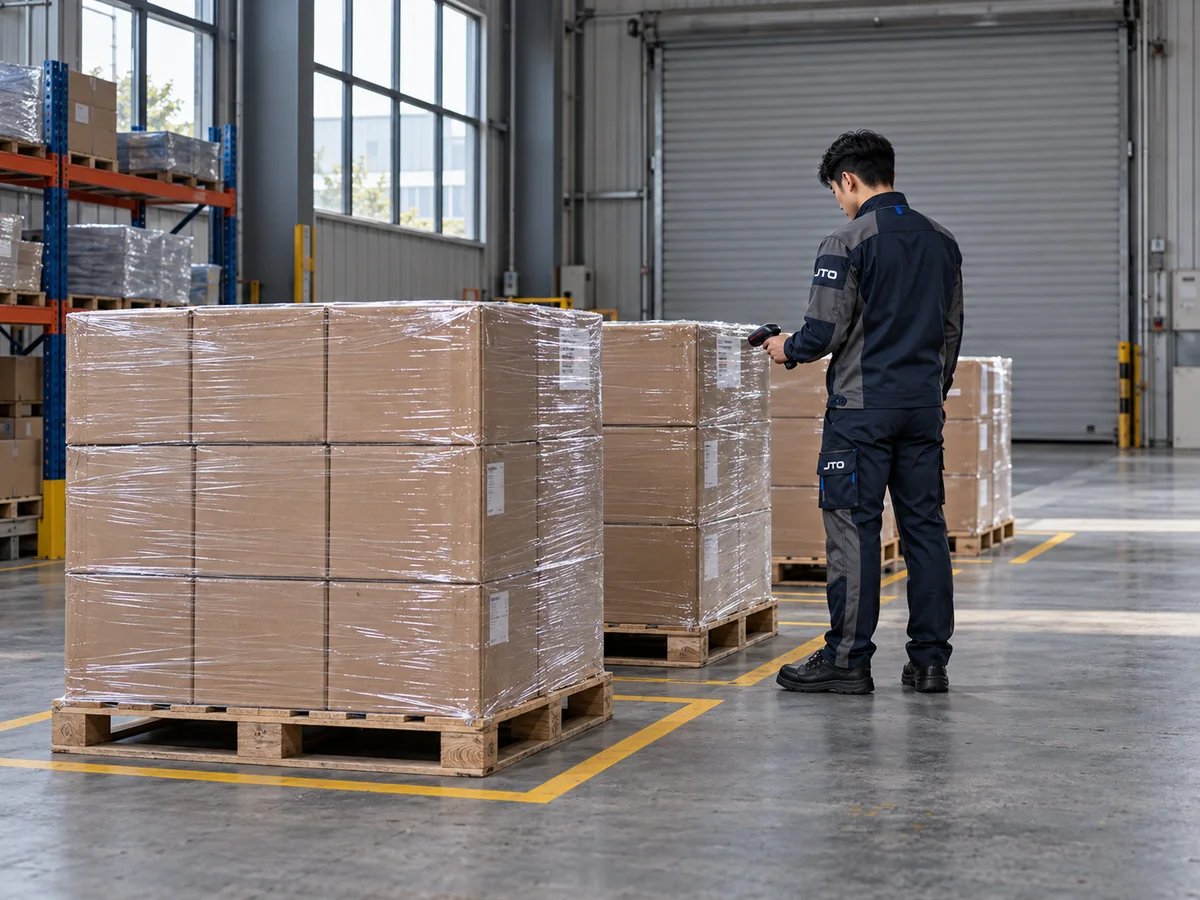
Container truck aligned to a sheltered dock beside a marked pedestrian route.
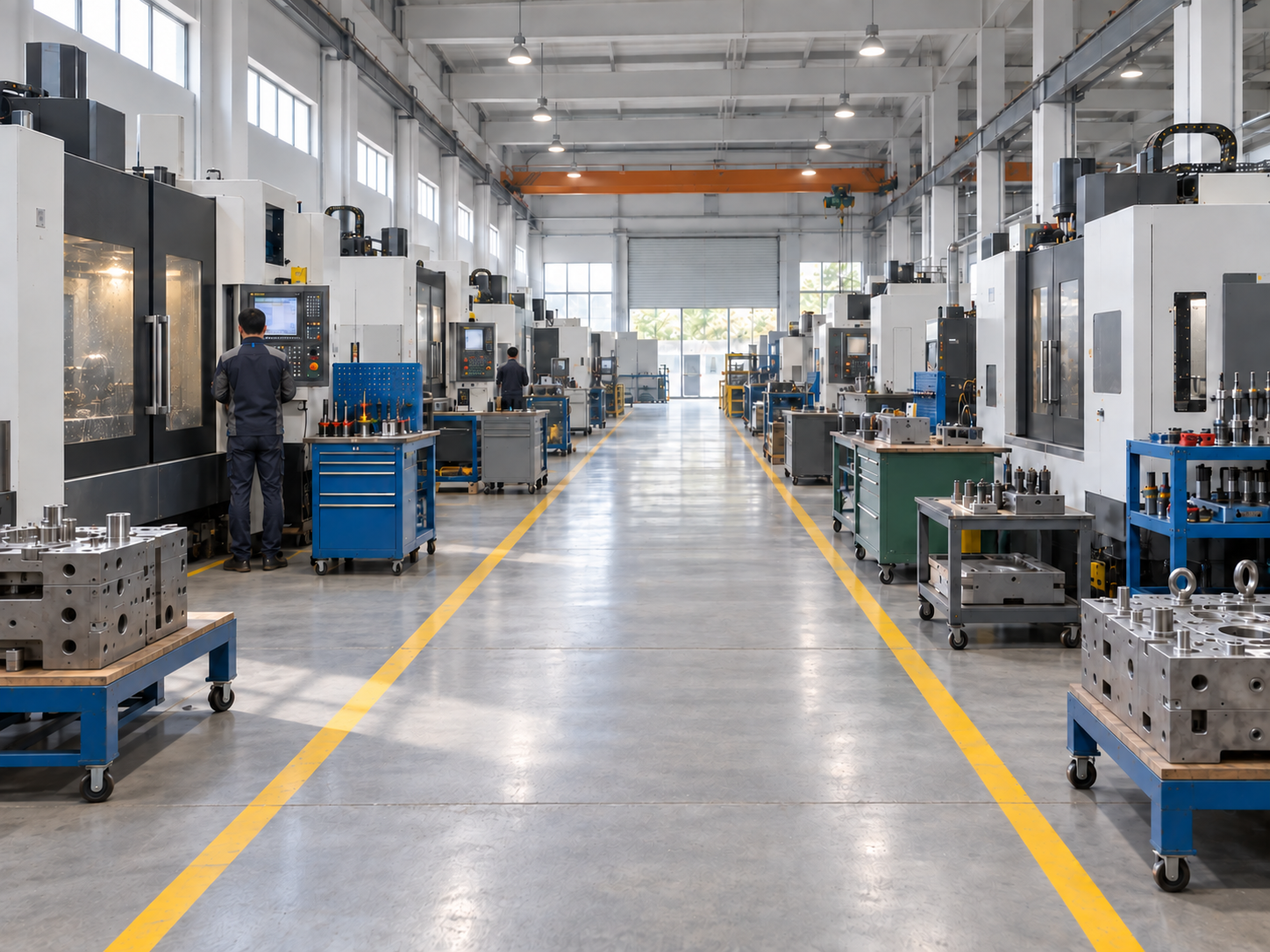
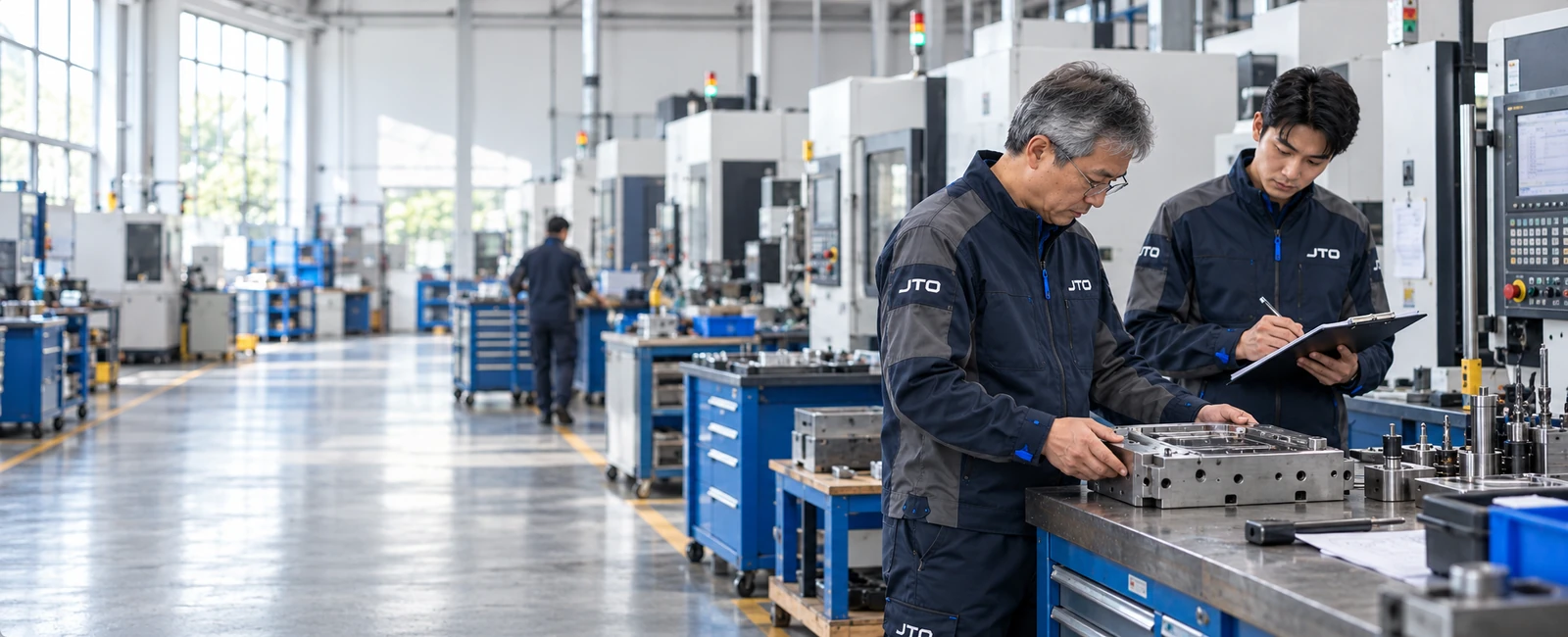
Machine rows, supported mold bases and a clear toolroom aisle.
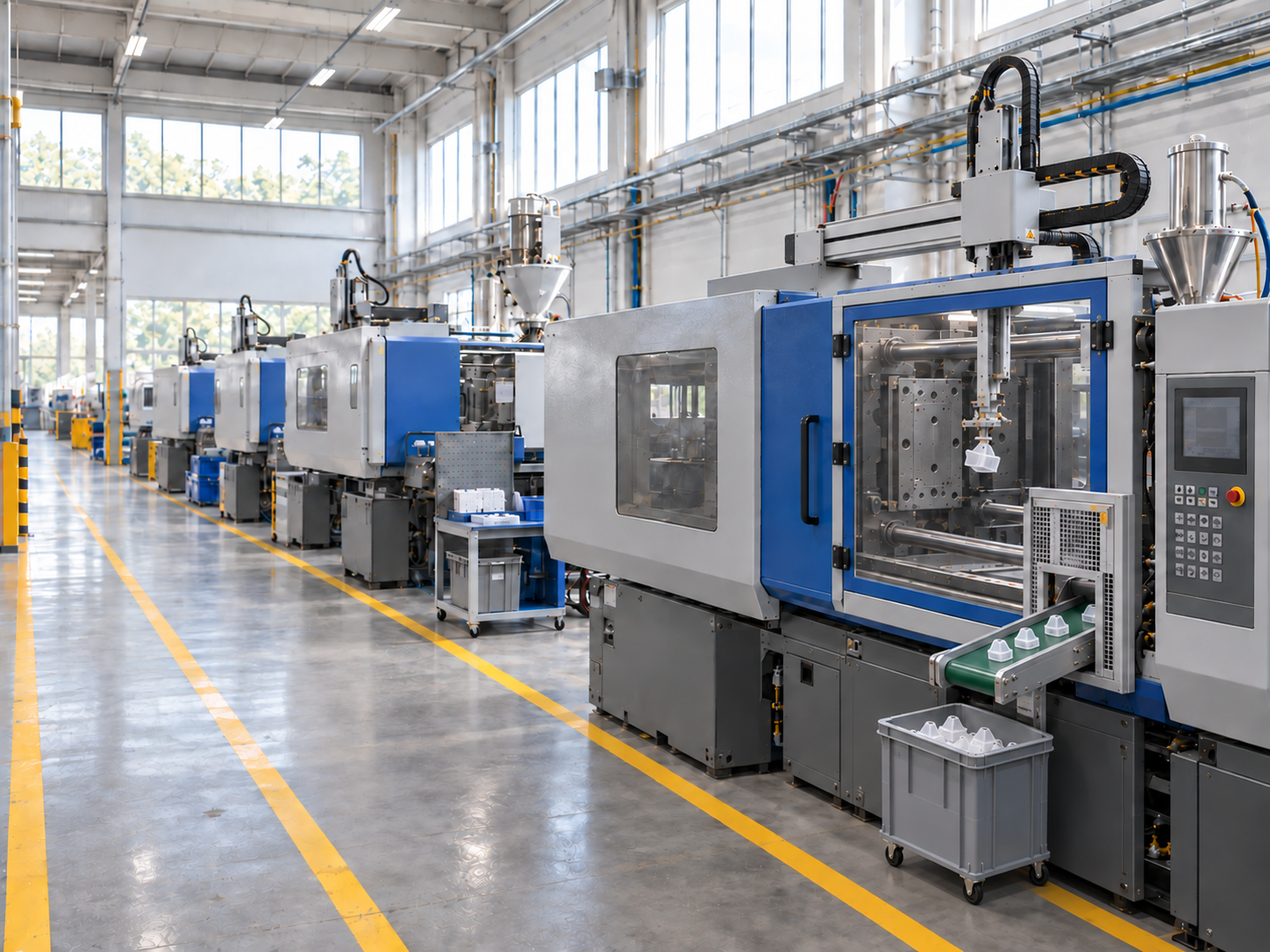
Injection presses, take-out equipment and an operating aisle.
Illustrative facility and workshop scenes.
CONNECTED MANUFACTURING MODEL
Engineering decisions inform tooling, production and quality work throughout the project.
MANUFACTURING FOUNDATION
Tooling, molding, finishing and quality work together to support project delivery.
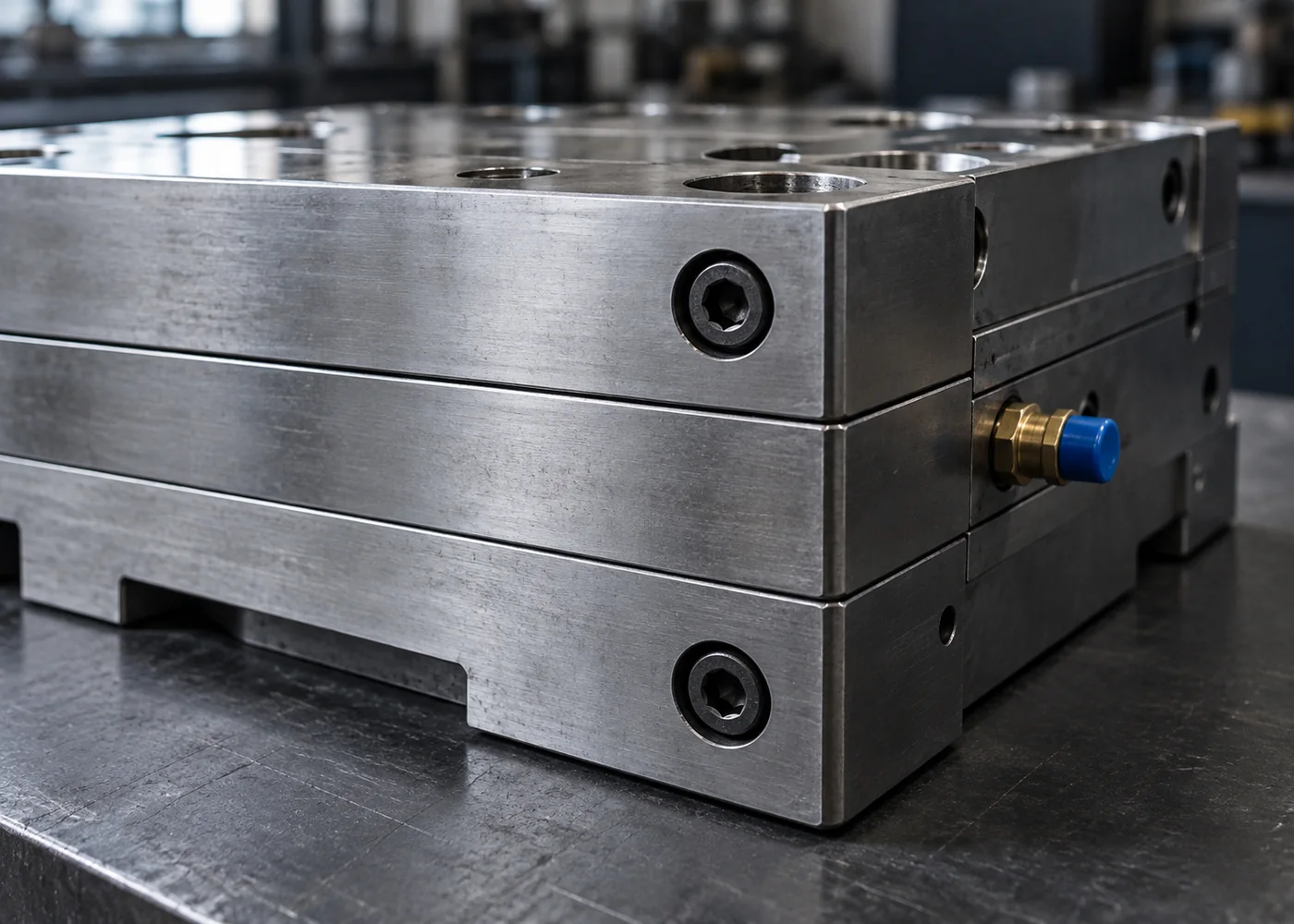
Illustrative tooling components and workbench arrangement.
Illustrative tooling scene.
Tool definition, build context and trial learning establish the physical basis for repeatable manufacturing.
Part requirements, material direction and process conditions are considered within one production context.
Finishing, handling and assembly requirements remain connected to the intended final part condition.
Inspection and verification provide evidence against the requirements guiding the work.
QUALITY & TRUST
Use current drawings, agreed sample references and specified checks to assess the part and record the findings.
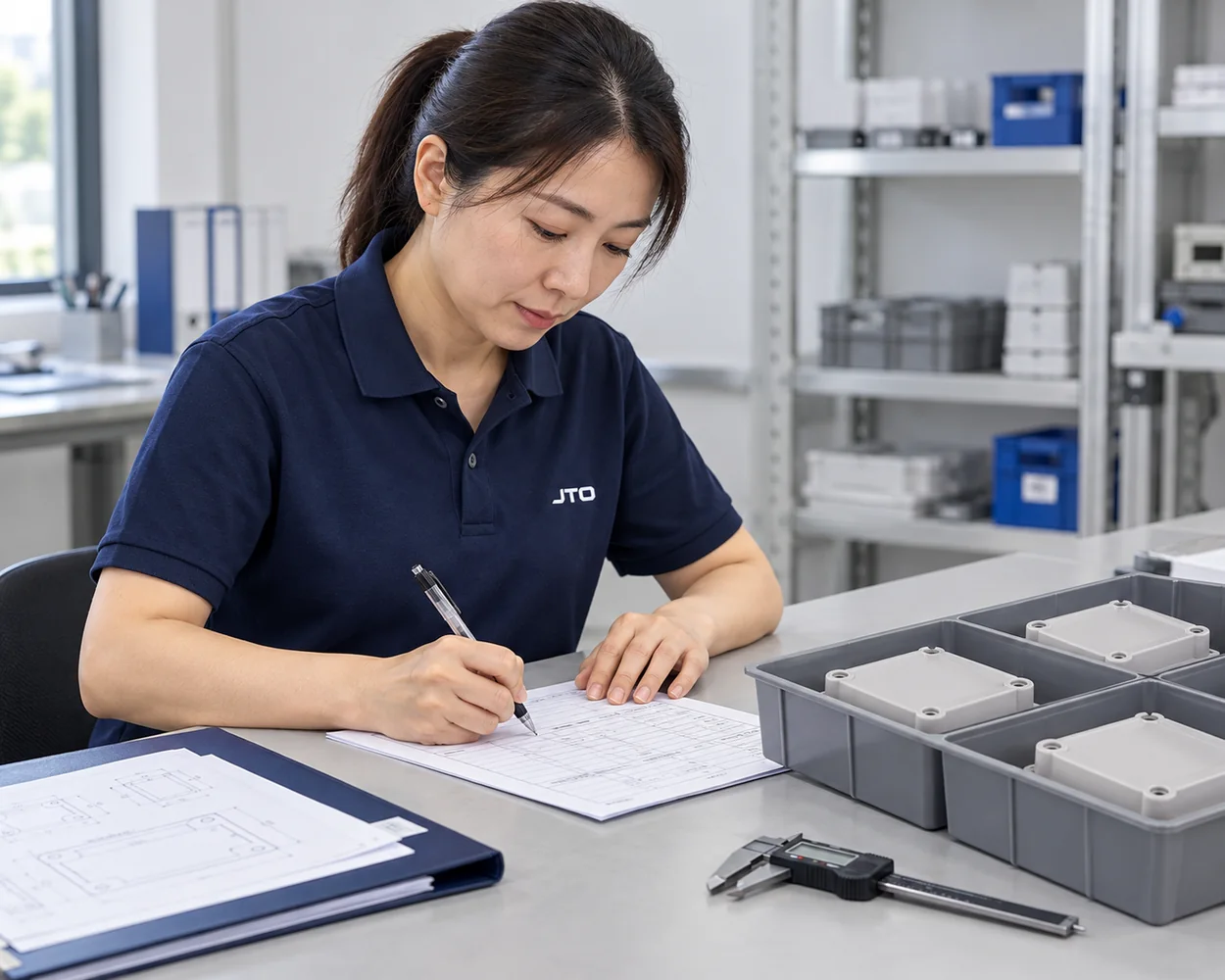
An external-width check provides a visual example of part inspection.
Illustrative inspection scene.
DISCUSS YOUR PROJECT
Share available requirements, drawings and manufacturing expectations when the project is ready for discussion.