CURRENT DRAWINGS
The latest available geometry and drawing references.


Engineering & Project Management
Coordinate part feasibility, drawing revisions, tooling milestones, sample acceptance and changes with the manufacturing team.
CAPABILITY ROLE
The working record identifies the current drawing, open technical questions, decision owners and agreed next steps.
ENGINEERING INPUTS
The inputs make the latest requirements, open questions and decision context visible before manufacturing work moves forward.
The latest available geometry and drawing references.
Known current revision and recent changes.
Material, appearance, quality and functional expectations.
Current engineering uncertainties or unresolved manufacturing concerns.
Relevant project milestones and current manufacturing stage.
The people or functions responsible for technical confirmation where applicable.
Engineering & Project Management project data
CORE WORK
Requirements, revisions and open decisions stay visible as engineering work moves toward manufacturing.
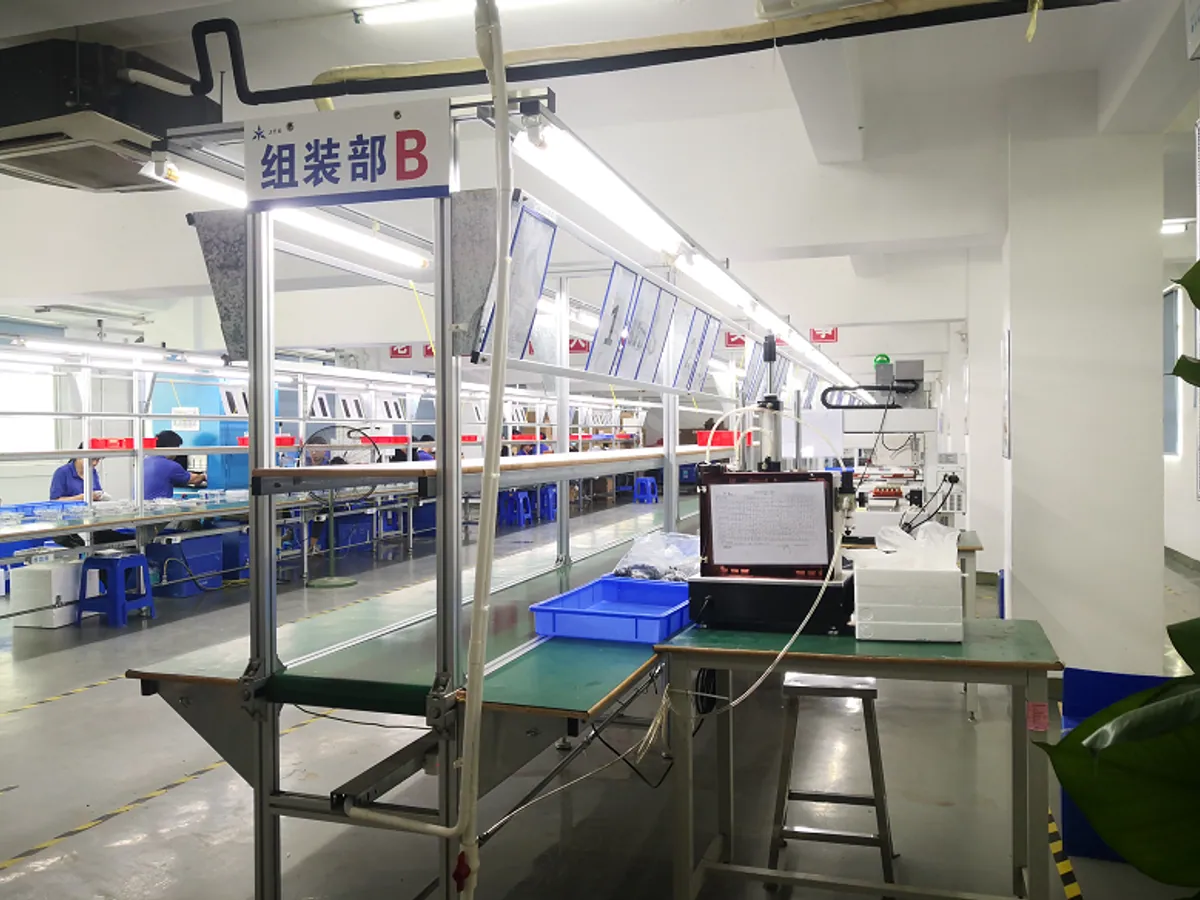
The physical work environment keeps engineering coordination connected to manufacturing activity.
Bring drawings, specifications and project expectations into one current review context.
Identify manufacturability, interface and requirement questions that need resolution.
Keep current engineering references distinguishable from superseded information.
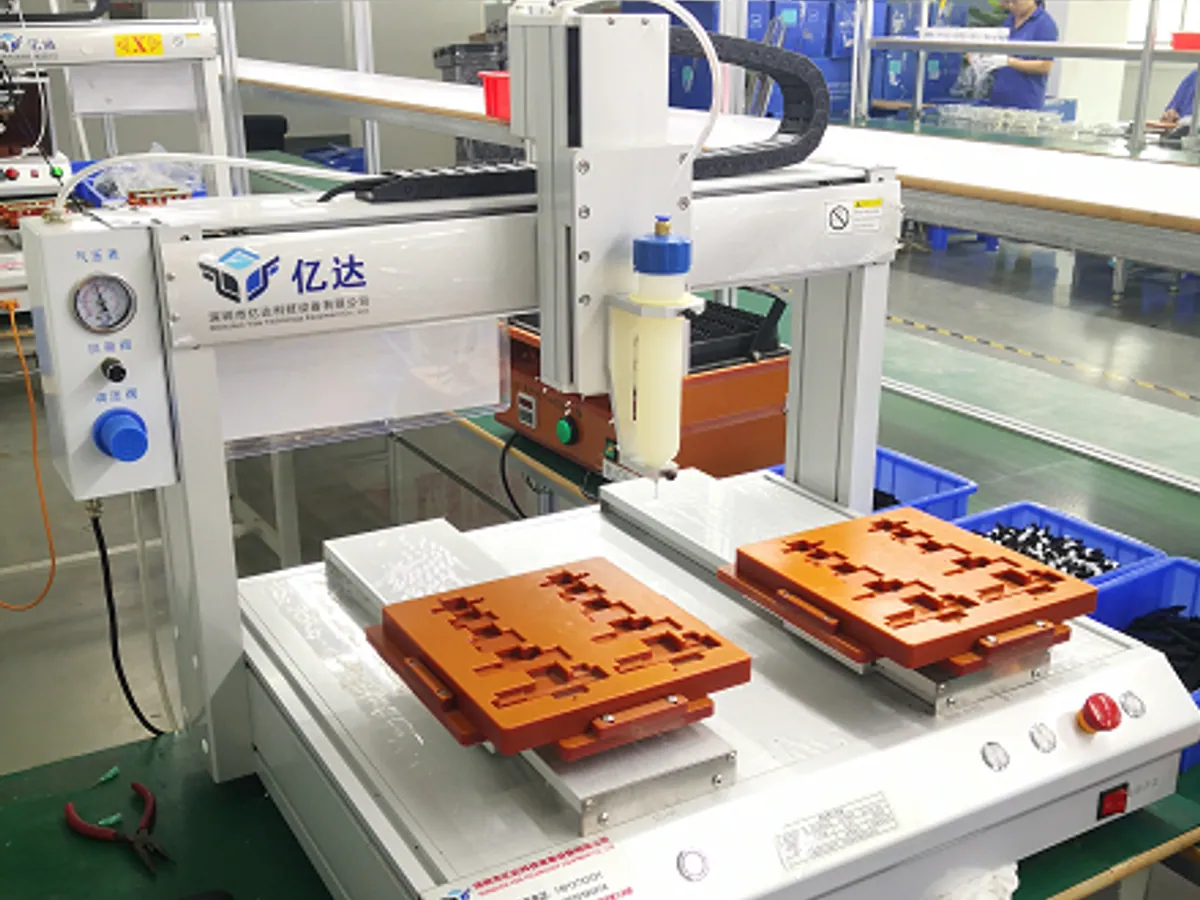
A physical manufacturing reference supports decisions grounded in the current work context.
Connect tooling, molding, downstream processes and quality activity around the same requirement context.
Keep open questions, findings and resulting decisions visible as the project progresses.
Review whether the information and physical work are ready for the next project decision.
PROCESS ILLUSTRATIONS
Illustrative engineering scenes; the objects shown do not establish a verified tool, part and drawing relationship.
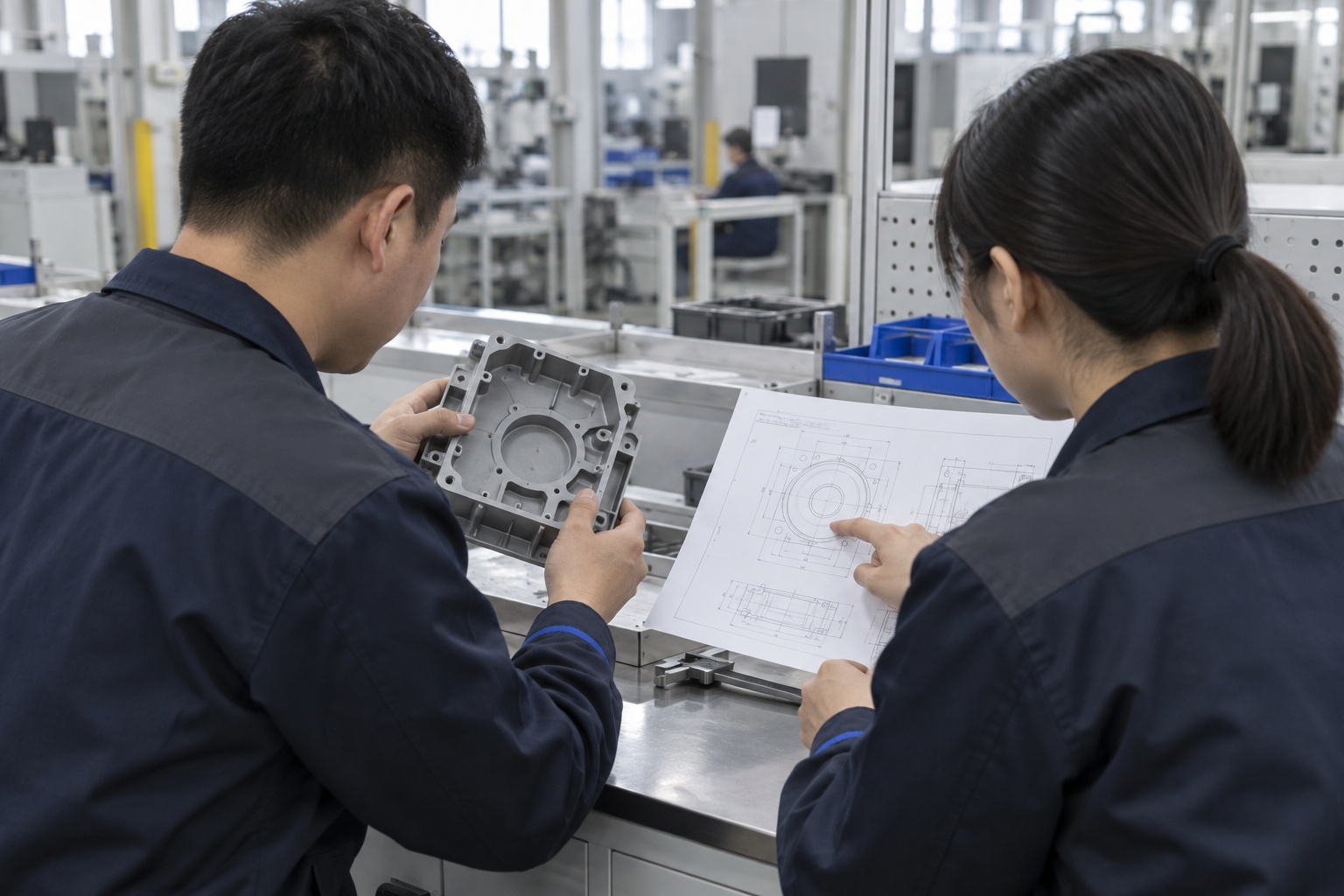
People, parts and technical references make the shared review context visible.
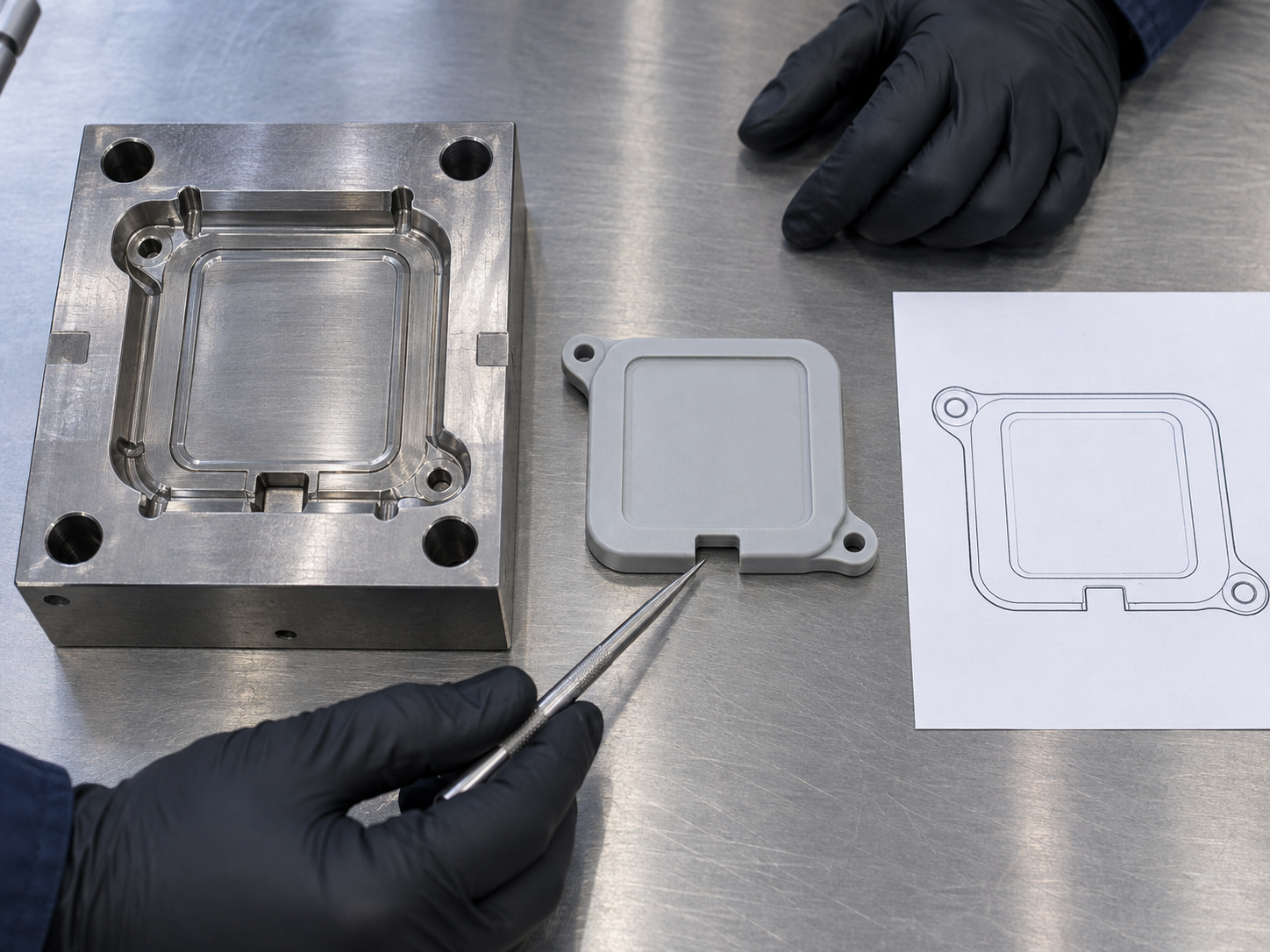
Illustrative tooling, component and drawing references; their project relationship is unverified.
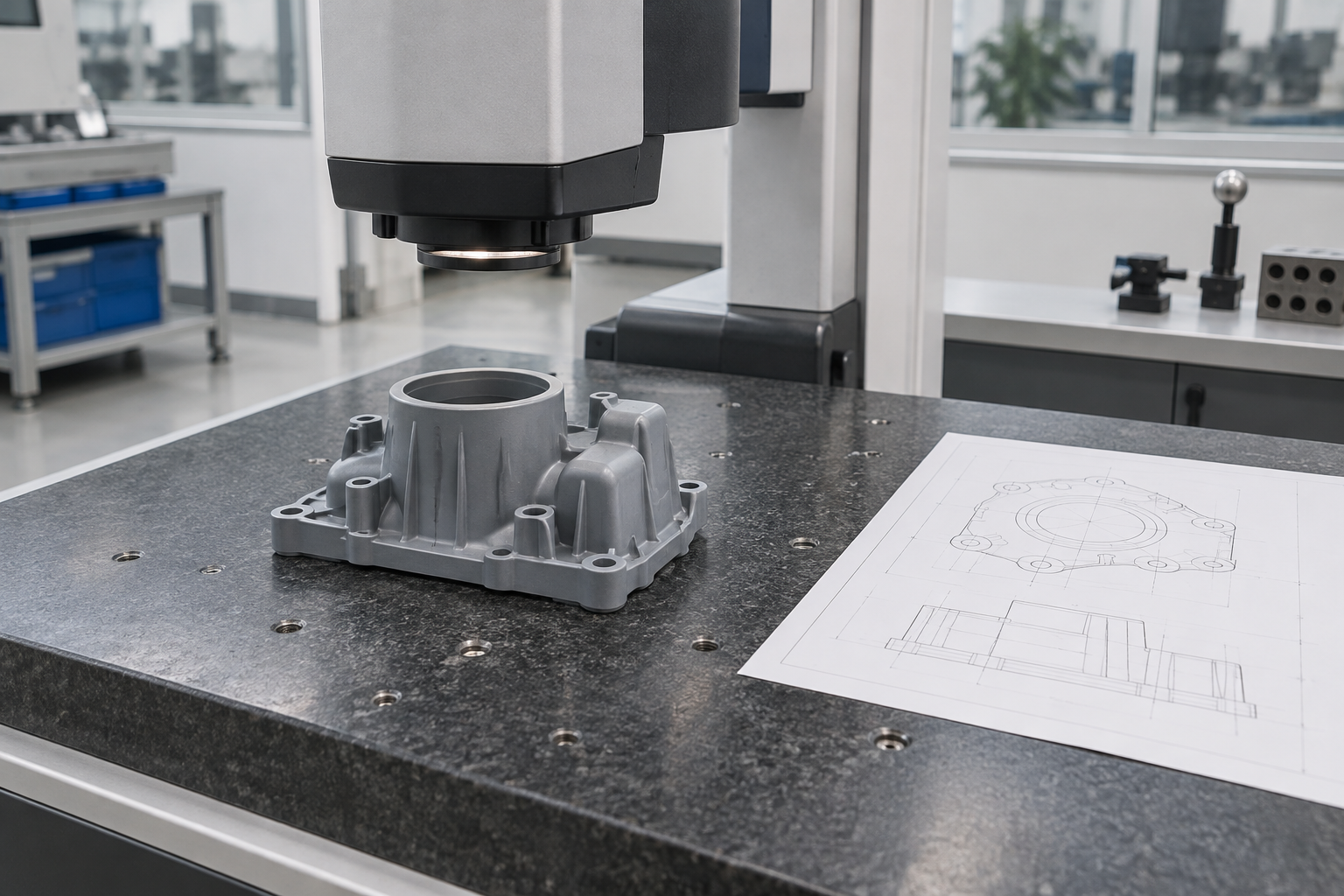
Illustrative component beneath an optical measurement head; no measurement result is shown.
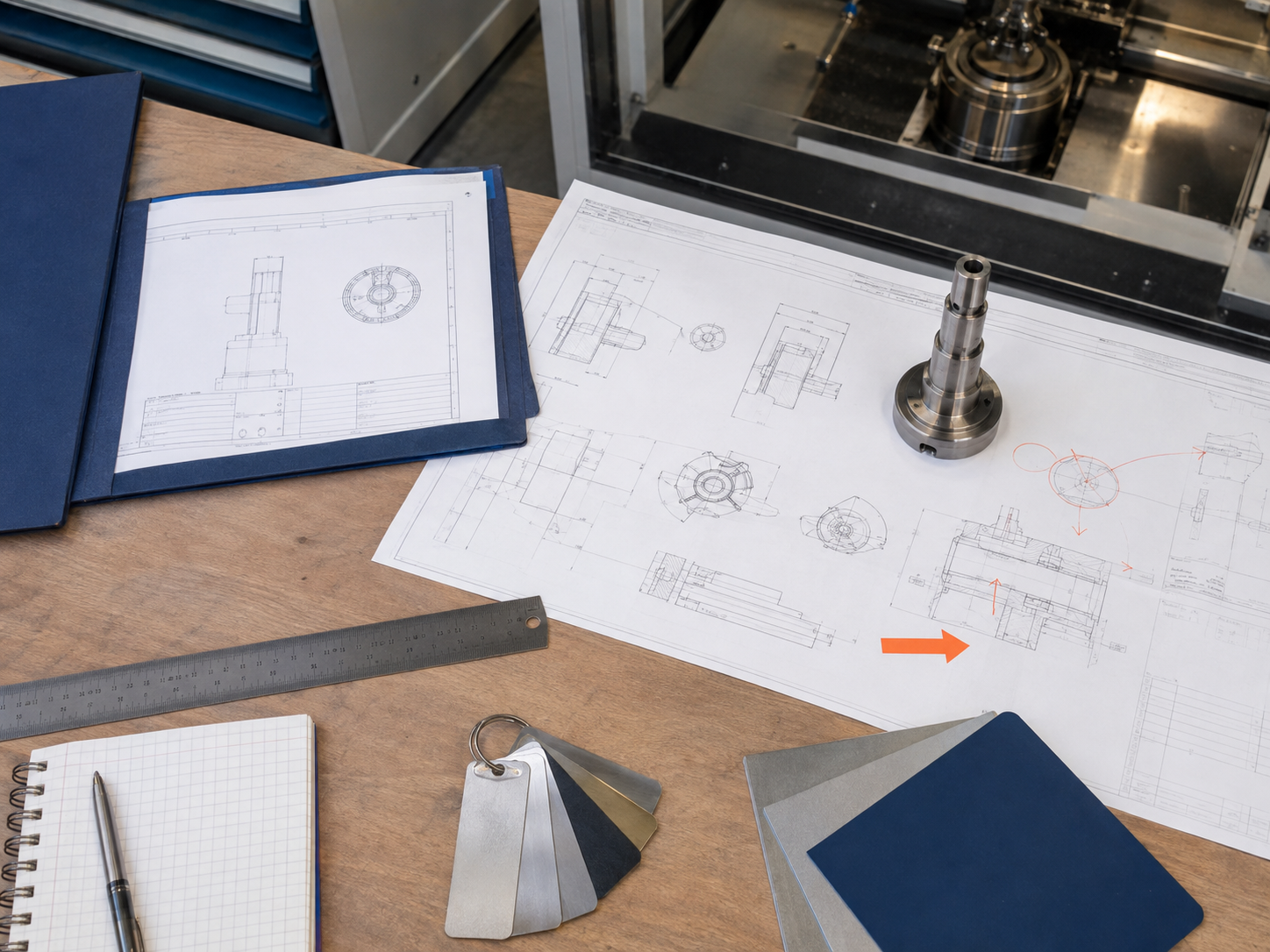
Engineering documentation represents the continuity needed between requirements and manufacturing work.
CONTROL & QUALITY
These review points keep requirements, revisions and open decisions visible across manufacturing activity.
Is the work based on the current approved engineering reference?
Are relevant manufacturing teams working from the same requirement context?
Can the current decision be connected to the issue or evidence that prompted it?
Are unresolved technical questions still visible before the next decision?
Is the current engineering context clear enough for the next manufacturing activity?
START AN ENGINEERING REVIEW
Send the current drawings, material and finish requirements, target dates and unresolved questions. Agree responsibilities and the records needed for the next milestone.